Aventurine Bracelet
Aventurine is a stone traditionally associated not only with physical characteristics but also with symbolic and esoteric properties. Here are some examples of properties attributed to aventurine:
- Protection from negative energy: aventurine is considered a protective stone that may help repel negative energy and protect against harmful energetic influences.
- Financial prosperity: aventurine is considered a stone of prosperity and is traditionally associated with financial well-being, success and abundance.
- Achieving goals: aventurine is considered a stone that may symbolically support motivation, energy and determination in achieving personal goals.
- Intuition: aventurine is associated with intuition, decision-making and clarity of thought.
- Reducing stress: aventurine is traditionally associated with relaxation, calmness and emotional balance.
- Meditation: aventurine is used in meditative practices and is associated with concentration, harmony and inner peace.
These are just a few examples of the symbolic properties attributed to aventurine. Its energy may be used for different purposes depending on personal intentions. If you plan to use aventurine in spiritual or esoteric practices, it is important to remember that such effects are individual and are not scientifically proven.
Aventurine is an exceptionally beautiful mineral with a distinctive optical effect. In Ancient Egypt and China, this stone was highly valued and used for decorative purposes. Aventurine has been used in jewelry since ancient times and remains popular today because of its characteristic sparkle and shimmering appearance.
In simple terms, aventurine is a variety of quartz containing inclusions of other minerals that influence its color and appearance. Its characteristic sparkle is caused by tiny mineral inclusions. This optical phenomenon is known as aventurescence. It can be compared to the glow of bright stars in a dark night sky. This shimmering effect gives aventurine its distinctive and attractive appearance.
Colors of Aventurine:
- brown,
- dark blue,
- white
- yellow
- cherry red
- black
- pink
Aventurine is a mineral from the quartz group. Its properties may vary depending on its chemical composition and color. Some general properties of aventurine include:
- Hardness: aventurine has a hardness of approximately 6–7 on the Mohs scale, making it sufficiently durable for use in jewelry.
- Transparency: depending on the variety and the amount of inclusions, the stone may be translucent or opaque.
- Luster: aventurine may have a vitreous or pearly luster.
- Optical properties: the stone may display a characteristic shimmering effect caused by tiny mineral inclusions.
- Other properties: aventurine may have uneven coloration, natural inclusions and a distinctive internal structure.
In esoteric traditions, aventurine is considered a stone of good luck, optimism and prosperity. These properties are symbolic and are not scientifically proven.
Physical and Chemical Properties of Aventurine:
Aventurine is a relatively hard but brittle stone that develops a characteristic luster after polishing.
Hardness on the Mohs scale: 6–7
Density: approximately 2.62 g/cm³
Transparency: mostly opaque or translucent
Possible inclusions: hematite, muscovite, fuchsite, chlorite, rutile, goethite and other minerals
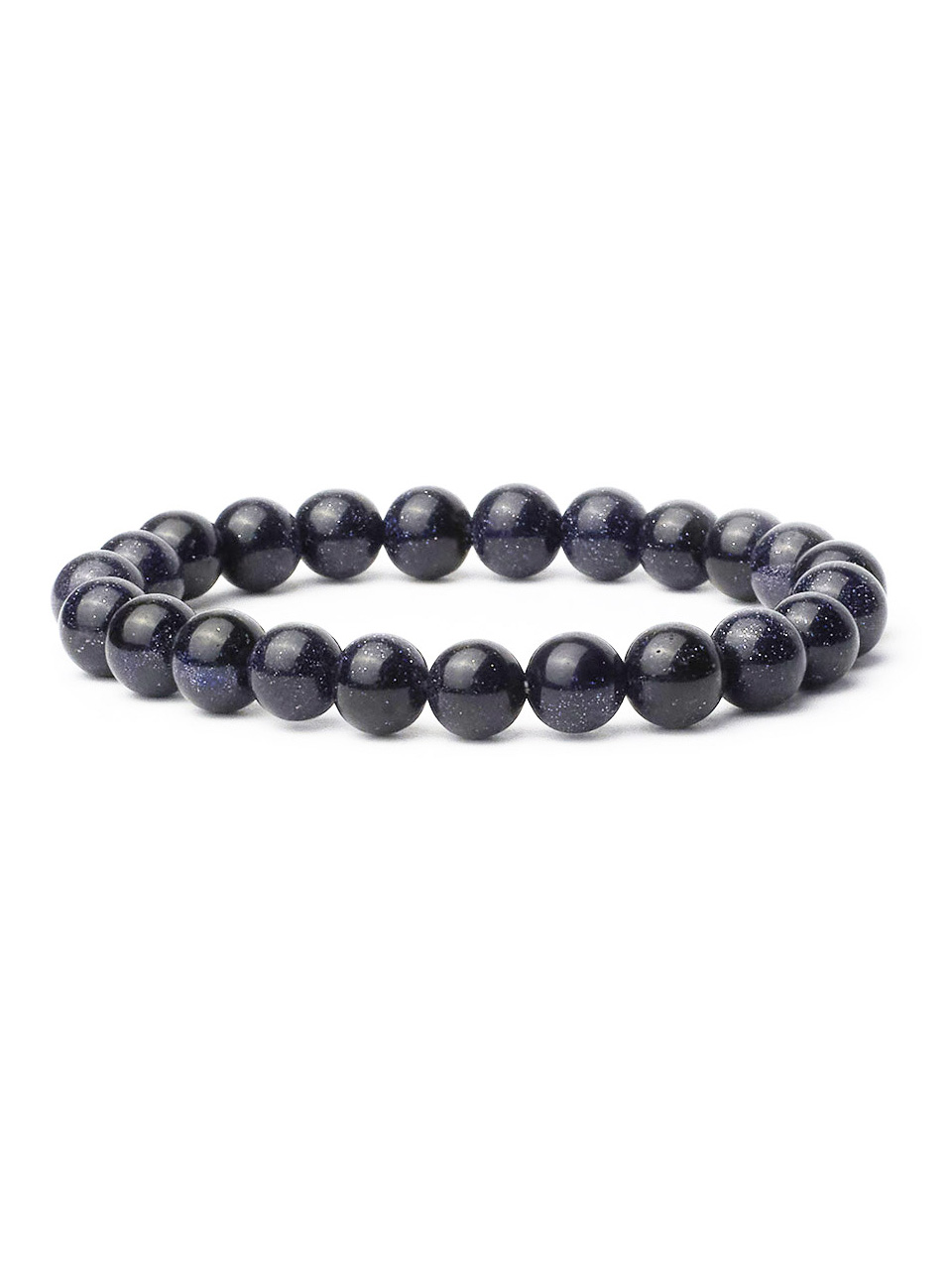 Aventurine bracelet
How to Care for Aventurine
Aventurine may occasionally require cleaning. Use a soft, slightly damp cloth to care for the stone. If necessary, it can be cleaned quickly with warm water and a mild soap solution, then dried thoroughly. Harsh cleaning products may damage the surface of the stone.
Symbolic and Esoteric Properties of Aventurine
In esoteric traditions, aventurine is associated with inner peace, positive thinking and emotional balance. The stone is also associated with optimism, sensitivity, creative inspiration, good luck and material prosperity.
Aventurine in Crystal Healing
In crystal healing and other alternative practices, aventurine is traditionally associated with:
- emotional balance
- inner peace
- relaxation
- general well-being
The therapeutic properties attributed to natural stones are not scientifically proven. Aventurine bracelets and other jewelry should not be considered a medical treatment or a substitute for professional medical care.
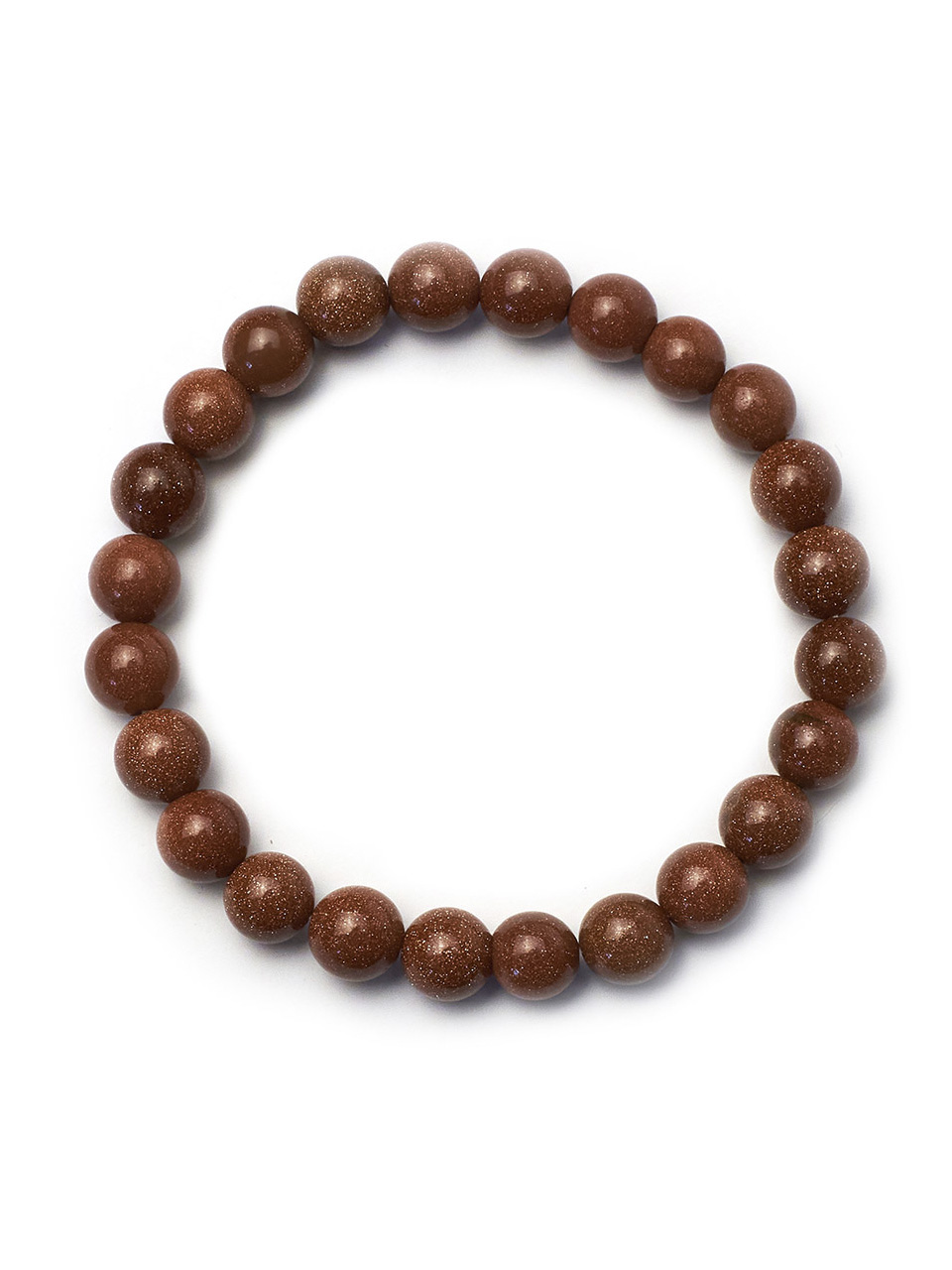 Natural aventurine bracelet
Where Is Aventurine Found?
Known deposits of aventurine are located in India, Brazil, Spain, Chile, Austria and other regions of the world.
Frequently Asked Questions About Aventurine Bracelets
Are aventurine bracelets suitable for women?
Yes. Natural aventurine bracelets are available in a variety of designs and can be worn as everyday jewelry or combined with other natural stone accessories.
How much does a natural aventurine bracelet cost?
The price depends on the specific model, the size and quality of the stones, the design and the jewelry components used. The current price is shown on each product page.
Which zodiac signs are associated with aventurine?
Aventurine jewelry can be worn regardless of zodiac sign. In esoteric and astrological sources, aventurine is often associated with Pisces, Cancer, Scorpio, Taurus, Capricorn, Virgo, Libra, Aquarius and Gemini. These associations are symbolic.
Which aventurine bracelets are popular in 2026?
The LeBijou collection includes this natural aventurine bracelet.
How should I care for an aventurine bracelet?
Protect the bracelet from strong impacts, household chemicals, perfumes and cosmetics. Store it separately from other jewelry and clean it gently with a soft, dry or slightly damp cloth.
What is included with a LeBijou aventurine bracelet?
The contents may vary depending on the specific model and current LeBijou packaging. Please check the product page for the latest information when placing your order.
Updated 25.09.2026